Belmont garden maintenance mistakes homeowners make
If your garden never quite looks the way you want it to, you are probably not alone. Many people in Belmont start with good intentions, then a few rushed weekends later the lawn is patchy, the hedge is uneven, and the borders look more tired than tidy. The tricky part is that Belmont garden maintenance mistakes homeowners make are often small, ordinary habits that quietly cause bigger problems over time.
Truth be told, most garden issues do not come from one dramatic disaster. They build slowly: a bit too much mowing here, a missed prune there, and suddenly plants are stressed, weeds are winning, and the whole space feels harder to manage than it should. This guide breaks down the mistakes homeowners commonly make, why they matter, how to avoid them, and what a better routine actually looks like. If you want a garden that feels healthier, neater, and less stressful to maintain, you are in the right place.
Table of Contents
- Why these mistakes matter
- How good garden maintenance works
- Key benefits of getting it right
- Who this is for
- Step-by-step guidance
- Expert tips for better results
- Common mistakes to avoid
- Tools, resources and recommendations
- Law, compliance and best practice
- Options and comparison
- Case study
- Practical checklist
- Conclusion
- Frequently asked questions
Why Belmont garden maintenance mistakes homeowners make Matters
A garden is not just decoration. It affects how your home feels, how much time you spend outside, and even how easy the property is to live with day to day. In Belmont, where many gardens combine lawn, shrubs, hedging, paving, and sometimes older trees, maintenance mistakes can show up quickly. A hedge that is cut at the wrong time can thin out. A lawn that is cut too short can brown off after a dry spell. A cluttered border can turn into a slug and weed magnet almost overnight.
That is why getting the basics right matters. Small errors do not just make the garden look untidy; they can increase repair work, waste plants you have already paid for, and create a cycle where the garden always feels one step behind. And let's face it, nobody wants to spend Saturday morning fixing something that could have been avoided on Friday evening with ten minutes of care.
There is also a practical side. Poor pruning can make access awkward. Overgrown paths can become slippery. Unchecked trees and hedges can reduce light, airflow, and usable space. In other words, garden maintenance is not only about appearance. It is about protecting the usability of the whole outdoor area.
How Belmont garden maintenance mistakes homeowners make Works
Good garden maintenance works best when you think in systems rather than one-off jobs. You are not just mowing the grass or trimming a hedge; you are managing growth, drainage, soil health, light, and seasonal timing. When homeowners miss that bigger picture, the garden often fights back a little. A lot, sometimes.
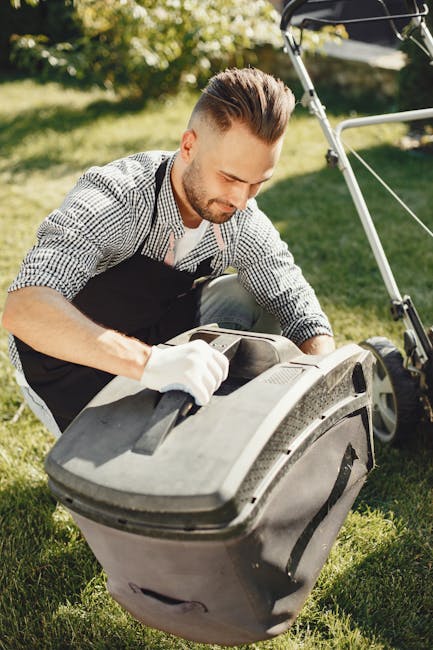
For example, mowing is not simply a weekly task. The cut height, blade sharpness, soil moisture, and time of year all affect the result. Likewise, hedge trimming is not just about shaping green walls; it is about encouraging healthy regrowth without stressing the plant. Even clearing leaves is more than tidiness, because a thick layer of wet leaves can smother grass and encourage rot.
Most of the common mistakes happen because people focus on what is visible now and ignore what the plant or lawn will need next month. That is the real difference between reactive work and proper maintenance. Reactive work deals with the mess. Proper maintenance reduces the mess in the first place.
If you are building a routine or comparing professional help, a broad service overview such as the full range of garden services can help you see how tasks fit together rather than treating each one in isolation.
Key Benefits and Practical Advantages
When you avoid the usual maintenance mistakes, the difference is noticeable. The garden feels calmer. It looks more intentional. You spend less time firefighting and more time actually enjoying it, which is the point, really.
- Healthier growth: Plants respond better when they are pruned, watered, and fed sensibly.
- Lower long-term costs: Preventive care is usually cheaper than rescuing damaged lawns, hedges, or borders.
- Better kerb appeal: Even a modest garden looks sharper when the basics are done properly.
- Safer access: Clear paths, managed hedges, and controlled growth reduce trip hazards and awkward access issues.
- Less overwhelm: A tidy routine stops the whole job snowballing into a dreaded all-day slog.
There is another benefit people often miss: confidence. Once you understand what to do and when to do it, you stop second-guessing every snip and cut. That alone can make home gardening feel much more enjoyable. You know the feeling - standing there with secateurs in hand, wondering whether this branch is fine or a complete mistake. A bit of structure solves a lot of that.
Who This Is For and When It Makes Sense
This topic matters to anyone who wants a well-kept outdoor space in Belmont, but it is especially useful if any of the following sound familiar:
- You are doing your own garden work but are not sure whether you are doing it correctly.
- You have recently moved into a property and inherited an overgrown or neglected garden.
- You are trying to improve the appearance of your home before selling or letting it.
- You have limited time and need to prioritise the jobs that actually matter.
- You have tried to tackle hedges, lawns, or borders and ended up making more work for yourself.
It also makes sense for homeowners who want to split jobs between DIY and professional support. Many people can manage light upkeep, but specific tasks such as heavier hedge shaping, careful tree work, or major clearance are often better left to experienced hands. That is where services like garden maintenance or lawn mowing can fit into a practical routine without taking over your life.
If your garden has got beyond quick fixes, it may also be worth looking at garden clearance before starting a regular maintenance schedule. Sometimes you need to reset before you can maintain. Simple, but true.
Step-by-Step Guidance
A sensible maintenance routine does not have to be complicated. In fact, the best ones are usually fairly plain and repeatable. Here is a simple approach that works well for most small to medium domestic gardens.
1. Start with a full visual sweep
Walk the garden slowly and look for obvious issues: weeds, broken branches, uneven grass, blocked drainage points, dead growth, damaged edging, and any areas where water pools. Do this before you grab tools. It saves time and helps you work in the right order.
2. Prioritise safety and access
Clear toys, pots, hoses, and loose debris first. A neat path is not just nice to look at - it stops accidents and makes every other job easier. If you need to work near high hedges or unstable tree growth, pause and judge the risk properly rather than powering through. That slightly heroic "I'll just reach it" moment is how people end up frustrated.
3. Deal with cutting jobs in the right sequence
Trim hedges and shrubs before you mow if dropped clippings might land on the lawn. Then mow when the grass is dry enough for a clean cut. After that, edge borders and tidy up the last bits. Sequence sounds boring, but it makes everything cleaner.
4. Check plant-specific needs
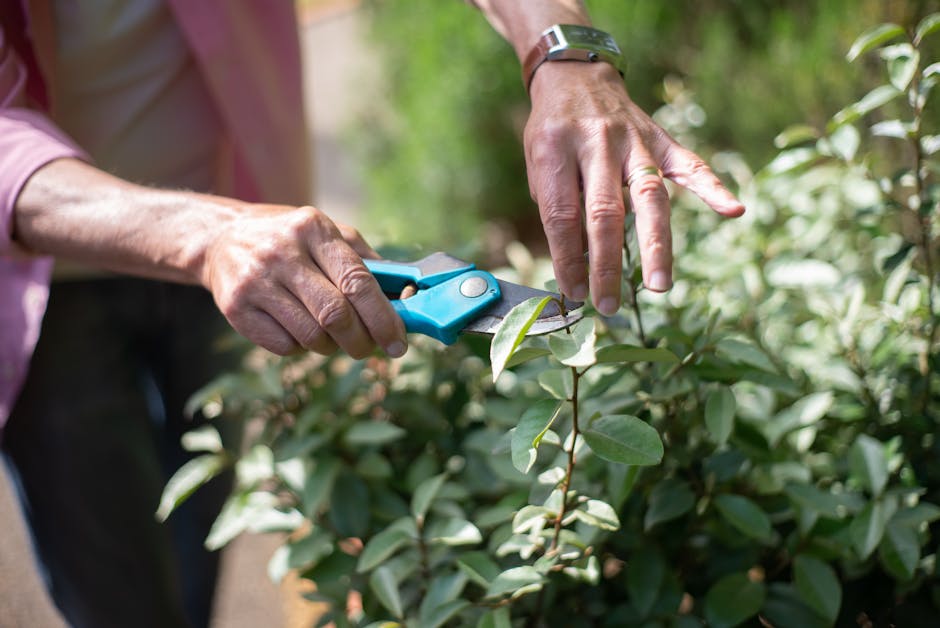
Not all plants want the same treatment. Some shrubs should be lightly shaped, while others respond badly to hard cutting. Evergreen hedges, flowering shrubs, and ornamental trees each have different timing and tolerance levels. If you are unsure, err on the side of light pruning rather than a drastic cut.
5. Finish with feeding, watering, and cleanup
Once the hard work is done, check whether the soil needs improvement, mulch, or a sensible watering plan. Then clear debris properly. A tidy finish helps you spot any remaining issues and keeps pests and disease from settling in.
If you are planning bigger changes rather than simple upkeep, landscape gardening or broader landscaping support can help you redesign problem areas so they are easier to maintain in the long run.
Expert Tips for Better Results
Here is the part many homeowners skip, and then wonder why the garden still looks a bit off.
- Keep cuts clean: Blunt blades tear grass and stems, which slows recovery. Sharper tools matter more than people think.
- Work with the season: In spring, growth can be surprisingly fast. In late summer, the same approach may be too aggressive. Adjust the job to the time of year.
- Do less, more often: Small, regular trims are usually better than occasional heavy pruning. The garden stays calmer and the work feels easier.
- Watch for stress signs: Yellowing leaves, brown patches, mildew, and drooping can all tell you your routine needs adjusting.
- Plan for the weather: Wet soil compacts easily. Hot afternoons can scorch fresh cuts. A mild, dry morning is usually kinder.
One practical trick: keep notes on what you cut and when. It sounds a bit too organised for a garden, I know, but it helps you avoid repeating mistakes. Even a few scribbles on your phone are enough.
If hedges are a recurring issue, it may be worth using a dedicated hedge trimming service for the harder sections, especially where height, shape, or boundary lines need more precision than a quick DIY cut.
Common Mistakes to Avoid
This is the core of it. Below are the mistakes homeowners most often make, along with what usually happens afterwards.
1. Cutting the lawn too short
Short grass may look neat for a moment, but scalping the lawn weakens it and makes it more vulnerable to heat stress, weeds, and patchiness. A slightly higher cut is often healthier, especially during dry spells.
2. Pruning at the wrong time
Many shrubs and hedges do better when trimmed in the right season. Cut at the wrong time and you can remove flowers, interrupt new growth, or expose tender stems to damage. The result can be sparse, uneven regrowth.
3. Ignoring weeds until they spread
A few weeds left for "next weekend" can become a much bigger job. They steal moisture and nutrients, and some spread quickly if they are allowed to flower and seed. Deal with them early, or at least before they get comfortable.
4. Overwatering or underwatering
Both are common, especially with new planting. Too much water can encourage shallow roots and rot; too little leaves plants stressed and brittle. Most gardens prefer thoughtful watering rather than frequent guesswork.
5. Leaving hedge and tree growth unchecked
Once hedges start to sprawl, they become harder to shape neatly. Tree limbs can also create shade issues, block light, or start brushing structures. If growth feels heavy or awkward, it is usually better to address it early.
6. Forgetting the lawn edges and borders
A garden can be well maintained in the middle and still look messy around the edges. Borders, path lines, and lawn edges make a huge difference to the overall finish. It is one of those small details that somehow changes everything.
7. Using the wrong tool for the job
Trying to force a job with the wrong tool usually leads to rougher cuts, more strain, and a poorer finish. Long handled loppers, proper secateurs, and a sharp mower blade are basics, not luxuries.
8. Clearing everything too aggressively
Not all leaf litter or "mess" is bad. Some natural debris supports soil life and shelter in the right places. A too-clean approach can strip away useful organic matter. Balance matters.
For larger jobs where the garden has become overgrown or cluttered, a one-off garden clearance can be a sensible reset before you move to regular upkeep.
Tools, Resources and Recommendations
You do not need a shed full of specialist kit to maintain a garden well. But you do need the right basics, and they should be in decent condition. A rusty, blunt, half-broken tool is usually a false economy.
| Task | Useful tool | What to watch for |
|---|---|---|
| Lawn care | Push mower or powered mower | Sharp blade, sensible cut height, dry enough grass |
| Hedge shaping | Hedge trimmer or hand shears | Even line, safe reach, avoid cutting too hard into bare wood |
| Border tidying | Hand fork, trowel, secateurs | Remove weeds fully, avoid damaging roots nearby |
| Tree and tall growth | Long-reach tools or professional support | Height, weight, and safety concerns |
| Clear-up | Rake, bucket, garden bags | Remove debris before it mats down or rots |
Useful resources are not always products. Sometimes the best resource is a routine you can actually stick to. A monthly check, a seasonal tidy-up, and a weekly ten-minute look-around will do more good than a heroic but rare all-day session. If you need a trusted point of contact for professional help, contact the team directly to discuss what your garden needs rather than guessing from a distance.
And if budget planning matters, pricing and quotes information can help you compare one-off tasks with ongoing maintenance. That way you can choose a sensible approach, not just the quickest one.
Law, Compliance, Standards, or Best Practice
For most homeowners, garden maintenance is guided more by best practice than by formal rules. That said, some jobs do touch on health, safety, boundaries, waste handling, and neighbourly responsibility. So a bit of care is sensible.
If a tree, hedge, or large branch creates a safety issue, blocks light, or affects a boundary, it is worth checking before taking action. The exact position can vary depending on the property, the plant, and local conditions, so if in doubt, get advice rather than assuming. That is especially true with larger trees or anything close to structures.
Basic safety best practice matters too. Use stable footing, eye protection where appropriate, and never rush elevated or awkward cuts. For higher-risk work, it is reasonable to use experienced support and ask about a provider's approach to safety and insurance. Pages such as insurance and safety and the health and safety policy can help you understand how a professional service approaches risk.
Waste handling is another one. Green waste should be disposed of responsibly, and a tidy garden clear-up is usually easier when there is a proper plan for clippings, branches, and debris. For homeowners who care about this side of things, recycling and sustainability is a helpful consideration when choosing maintenance support.
Options, Methods, or Comparison Table
Not every garden problem needs the same solution. Sometimes the best choice is a DIY tidy-up. Sometimes it is a regular maintenance visit. Sometimes a one-off reset is the smartest move. Here is a simple comparison.
| Approach | Best for | Pros | Limitations |
|---|---|---|---|
| DIY maintenance | Small, manageable gardens and light weekly upkeep | Low direct cost, flexible timing, hands-on control | Time-consuming, easy to miss seasonal detail, can become inconsistent |
| Regular professional maintenance | Busy households, larger gardens, recurring growth issues | Consistent finish, less stress, better long-term control | Ongoing cost, requires coordination |
| One-off clearance | Overgrown or neglected gardens needing a reset | Fast progress, clears the slate, good for starting fresh | Does not replace routine upkeep afterwards |
| Mixed approach | Homeowners who want to do some work themselves but need help for difficult tasks | Flexible, cost-conscious, practical | Needs clear planning so jobs do not overlap awkwardly |
For many Belmont homeowners, the mixed approach is the sweet spot. You keep the simple, satisfying jobs for yourself and pass the harder or riskier tasks to a professional. That is often the least stressful route, honestly.
Case Study or Real-World Example
Here is a very typical scenario. A homeowner in Belmont keeps on top of the front garden but leaves the back garden to "later." The lawn gets cut too low every couple of weeks. The hedge is trimmed quickly before guests arrive, which means the shape is never quite right. Weeds in the borders are pulled only when they become obvious. By midsummer, the garden looks busy rather than cared for.
Once the routine changes, the difference is immediate. The lawn is cut a little higher and more regularly. The hedge is trimmed lightly instead of hacked back. Borders are weeded before they get established. A simple clear-up removes clippings rather than leaving them in damp piles. The garden does not become perfect overnight - gardens rarely do - but it starts to feel manageable again.
The nice thing is that nothing dramatic had to happen. No redesign. No expensive transformation. Just better timing, better sequencing, and fewer rushed decisions. Small changes. Big effect.
That is usually how it goes with garden maintenance. The wins are not glamorous, but they stick.
Practical Checklist
Use this checklist before and during routine maintenance. It helps catch the small things that are easy to overlook when you are already halfway through a job.
- Check the lawn for dry patches, weeds, moss, or uneven growth.
- Inspect hedges and shrubs for dead wood, overgrowth, and uneven shaping.
- Look for safety hazards on paths, steps, and access points.
- Remove fallen leaves, twigs, and loose debris before they build up.
- Water carefully, based on plant need and weather conditions.
- Use clean, sharp tools for neater cuts.
- Trim lightly rather than taking too much at once.
- Keep clippings and waste under control during the job.
- Watch for signs of plant stress after pruning or mowing.
- Review whether the garden needs light maintenance, heavier work, or a proper reset.
Quick summary: if a task makes the garden harder to manage next week, it probably needs a better method. If a task improves structure, light, airflow, and access, you are on the right track.
Conclusion
The biggest Belmont garden maintenance mistakes homeowners make are usually not dramatic. They are small habits: mowing too hard, pruning at the wrong time, ignoring weeds, leaving clear-ups unfinished, and assuming the garden will sort itself out later. It rarely does. Gardens are forgiving, but not infinitely so.
The good news? Once you understand the patterns, maintenance becomes much easier. You start to see the garden as a living space with rhythms, not just a list of chores. That shift changes everything. Less guessing. Fewer regrets. Better results.
If your garden feels a bit out of step, start with one area only. One border. One hedge. One lawn session done properly. That alone can reset the tone of the whole space, and sometimes that is all it takes to get back on top of things.
Get a free quote today and see how much you can save.
And if you are weighing up the right level of help, a little support now can save a lot of weekend frustration later. A well-kept garden is a quieter kind of pleasure, but a very real one.
Frequently Asked Questions
What are the most common Belmont garden maintenance mistakes homeowners make?
The most common ones are mowing too short, trimming hedges at the wrong time, leaving weeds too long, overwatering, and forgetting regular cleanup. These may seem minor, but they quickly affect the look and health of the garden.
How often should I maintain my garden in Belmont?
That depends on the size and planting style, but most gardens benefit from weekly or fortnightly checks during active growing periods, plus seasonal attention for hedges, lawn care, and general tidy-ups.
Is it better to DIY garden maintenance or hire a professional?
For light upkeep, DIY can work well. If the garden is overgrown, large, awkward, or difficult to keep tidy, professional maintenance is usually more efficient and less stressful.
Why does mowing the lawn too short cause problems?
Cutting grass too short can weaken the lawn, expose soil, and make it more vulnerable to heat stress, weeds, and patchy regrowth. A slightly higher cut is generally healthier.
When should hedges be trimmed?
It depends on the hedge type and how quickly it grows. Many hedges benefit from light, regular shaping rather than one hard trim. If you are unsure, it is safer to avoid cutting too aggressively.
What should I do before starting a garden clear-up?
Start by removing hazards, checking access points, and deciding whether the job is a light tidy or a bigger reset. If the garden has been neglected for a while, a proper garden clearance may be the better first step.
Can poor maintenance really damage plants long term?
Yes. Repeated stress from bad pruning, poor watering, and neglected growth can weaken plants over time, making them more prone to disease, poor flowering, or sparse regrowth.
What are the signs that my garden needs professional help?
If you are dealing with persistent overgrowth, uneven hedges, poor lawn condition, or tasks that feel unsafe or too time-consuming, it may be time to bring in help.
Do I need to think about safety when maintaining my own garden?
Absolutely. Safe footing, sharp tools, stable ladders where appropriate, and sensible handling of heavy or high growth all matter. If the job feels risky, stop and reassess rather than pushing on.
What is the simplest way to improve a neglected garden quickly?
Clear debris, remove weeds, tidy edges, mow the lawn at the correct height, and lightly shape the most visible hedges. That combination gives the biggest visual improvement fastest.
Are there environmental benefits to better garden maintenance?
Yes. Regular maintenance can reduce waste, help plants stay healthier, and make it easier to reuse or recycle green waste responsibly. It also avoids the need for repeated drastic cuts and heavy tidy-ups.
How do I choose the right garden service?
Look for clear service information, transparent quotes, sensible safety practices, and a range of options that fit your garden's needs. A good starting point is the services overview, followed by practical details on pricing and quotes if you want to compare options.